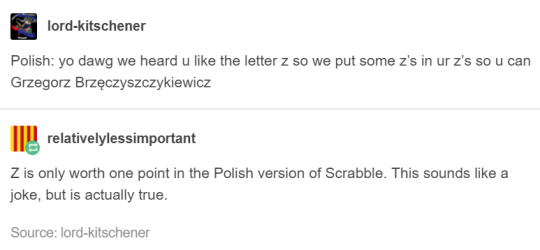
I get that this is a laugh-at-the-white-guy post, but it’s actually an interesting question.
In the US, the 100 most common surnames represent about 18% of the population. In South Korea, the 5 most common surnames represent more than 50% of the population, with Kim/Gim/Ghim/김 alone being around 22%.
The answer, best as I can find it, is that surnames originally in Korea were much more recently brought to the average person.
In Anglo culture, average people having last names dates back to around the Middle Ages, and your surname could be anything from your profession (Smith, Taylor, Cooper, Chandler, Fisher, etc.) to your geographic location or some feature of it (Barrow, Liscombe, Badgerly, Wyndham, etc.) to some defining feature of you or your ancestor (Red, Brown, Small, Little, Longfellow, etc.). These were reasonably widespread in use and are the origins of most Anglo surnames today.
In Korea, until relatively recently, surnames were only used by the nobility and aristocracy. The ruling family for a long time in some rich and important regions? 김. And so, when everyone started taking on surnames, it was only natural to have your surname (which, remember, was largely geographic in nature, although not named after a geographic location per se) be the same as your ruler. And so you end up with more than half the population sharing the same 5 last names.
A similar thing is at work in China with the surname Wang/Wong/王/汪. The two variations are most common and 58th respectively. The first of these, by the way, 王, means King, just to make the connection a little more obvious. It also represents more than 7% of the population all on its own.
Korean Unnie 한국언니: Korean Unnie has many YouTube videos helpful for those learning Korean, including beginners. Every Monday and Friday at 8am KST she uploads videos to herFun & Easy Koreanseries. Each Wednesday at 11am KST she streams alive Korean lesson. In addition to those videos, she has a series where shebreaks down k-pop song lyrics.
Jolly: The next few channels I share are not necessarily lessons, however, they are mainly in Korean and most offer both Korean and English subtitles. One of my favorite channels is Jolly. In one of their series, Josh is teaching Ollie Korean through the Talk to Me in Korean books. They also post other types of videos, some are related to Korea(n) and some aren’t, but they all have English and Korean subtitles.
데이브 The World of Dave: Like Jolly, The World of Dave videos offers both Korean and English subtitles. They often compare wordsand other things between languages such as English, Korean, Chinese, and Japanese. He also interviews many people, including Korean celebrities. In addition to those videos, there are also vlogs.
Studio Vand Solfa: I paired these two channels together since they are a bit similar. Studio V has interview style videos. Solfa also has interview style videos along with others. Both Studio V and Solfa have English and Korean subtitles on their videos.

 XI's Archived Tumblr Blog